

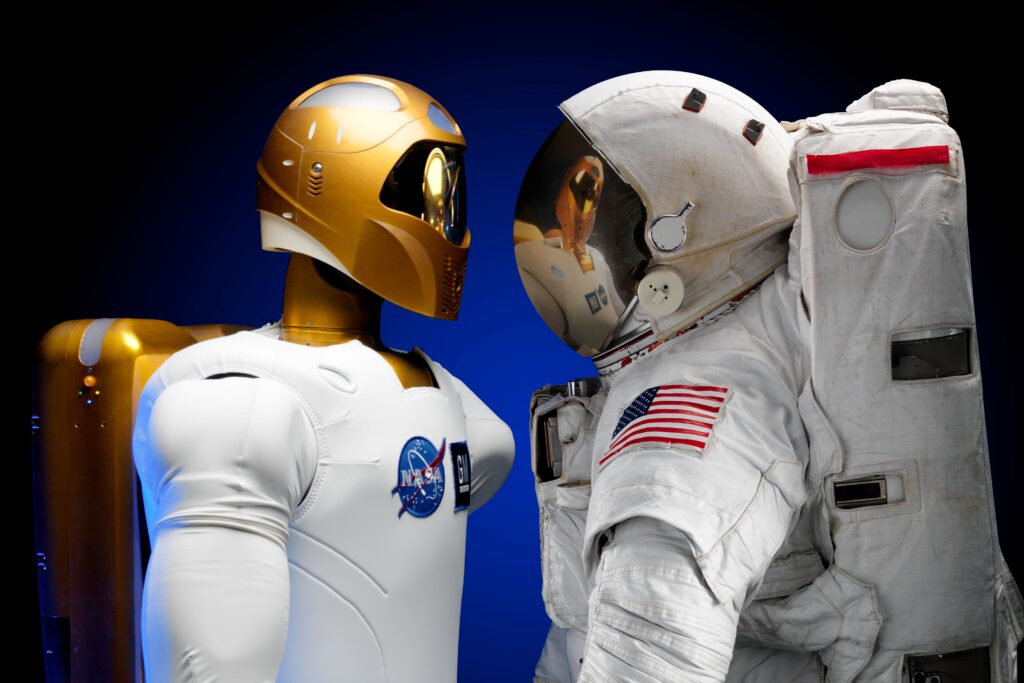
Technology is ever evolving, and as it grows, so does it make our lives a lot easier. However, one drawback to technological innovations is that, as proven time and again, it gradually replaces the human elements in a system, relegating them to other essential tasks. This has been the trend since the wheel was invented, through major shifts in the technological climate brought about by the likes of the Industrial Revolution and the atomic era. In this age, the era of computing, a certain technology that threatened to replace human jobs is robotic process automation.
At its present state, robots are primitive and task-specific, but can be programmed to do virtually anything a human can do, minus all the fluff such as emotion and reason. Compounded with industrial machines, they have easily replaced many assembly line workers in the later part of the last century. As stand alone software, however, they threaten to replace white collar workers, including virtual assistants.
Surely, our technology is far off from producing high-level artificial intelligence or AI that will surely replace human workers in the distant future. However, the state of robotic process automation is enough to make one—especially those working in big, wealthy companies that can afford a high degree of automation—feel wary of their position.
That\’s not to mention that robotic software is beyond the reach of common folk. In fact, many automated software applications that have popped up these days are ultimately designed to deal with entire tasks without human intervention, and they come at decent prices. We have seen such software many times in the marketing world, with entire campaigns done in a seemingly organic manner by custom-programmed software.
Indeed, there is no reason why VAs should not feel threatened with a formless robot taking over the jobs that they are used to be hired for. While this could happen, eventually, it so happens that most automated software are designed to operate in conjunction with humans who have the skills to analze the program\’s output and make critical decisions based on the harvested data. Furthermore, it is arguable that humans can do better jobs than automated software in their current state. The article spinner component of a typical content marketing software, for instance, can do no better than a professional writer.
Furthermore, humans are capable of several things an automated software can only electronically dream of. Here, we\’re talking about making rational decisions, feeling emotion, making sense of abstract data in the context of real world situations, and creativity, to name but a few. These are what allows a human virtual assistant to deliver quality service to their clients in ways a cold, unfeeling robot could not.
Without a doubt, technology will eventually evolve in such a way that it will once again displace the human element of virtual assistance, but we\’re still a long way from that. Actual humans are still essential in any operation and will remain as such, until the time comes that robots are replaced by actual AI with intelligence at par with that of a mature human being.